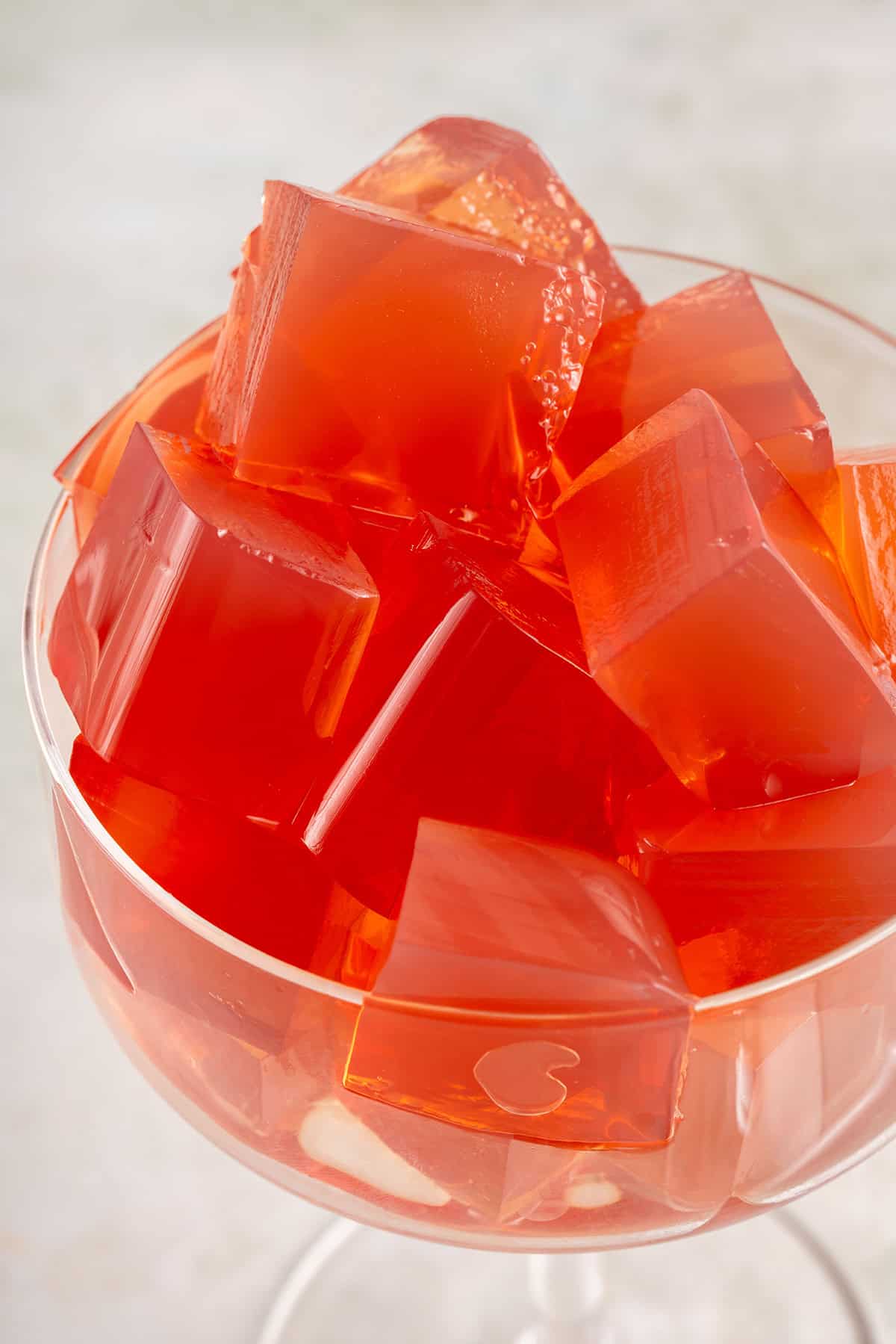
The Rise of Vegan Jello: A Plant-Powered Revolution
For many, the mention of jello evokes nostalgic memories of wobbly, colorful desserts enjoyed during childhood. Its playful texture and vibrant hues made it a staple at parties and family gatherings. However, for those embracing a vegan lifestyle or exploring plant-based diets, traditional jello presents a clear challenge: its primary gelling agent, gelatin, is derived from animal collagen. This fundamental ingredient makes conventional jello incompatible with ethical and dietary vegan principles, sparking a common question: "Is there such a thing as vegan jello?"
The answer, enthusiastically, is yes! Thanks to culinary innovation and a growing demand for cruelty-free alternatives, the world of plant-based gelling agents has opened up exciting possibilities. Vegan jello doesn't just replicate the beloved jiggly consistency; it often offers enhanced flavors, unique textures, and even additional nutritional benefits depending on the ingredients used. This journey into crafting vegan jello is a testament to how food science and ethical eating can beautifully converge, offering delicious solutions for everyone. Whether you're a seasoned vegan seeking new dessert ideas or simply curious about exploring plant-based options, understanding the power of ingredients like agar-agar and pectin will transform your approach to this classic treat. To truly grasp the breadth of possibilities, it's worth exploring the comprehensive range of plant-based gelling agents that make vegan jello possible.
Unveiling the Plant-Based Gelling Agents: Your Vegan Jello Toolkit
Crafting the perfect vegan jello hinges entirely on selecting the right plant-based gelling agent. Each one boasts unique properties, affecting everything from texture and setting temperature to flavor interaction and necessary preparation steps. Moving beyond animal-derived gelatin, these innovative ingredients allow us to achieve a spectrum of delightful, wobbly creations.
Agar-Agar: The Seaweed Superpower for Firm Jells
Derived from red seaweed, agar-agar is arguably the most popular and versatile gelatin substitute in the vegan kitchen. It's known for creating a much firmer, more brittle gel than gelatin, with a distinctly higher melting point (around 85°C / 185°F). This means desserts made with agar-agar hold their shape exceptionally well, even at room temperature, making them ideal for elaborate molded desserts, layered creations, or dishes destined for a buffet.
*
Properties: Agar-agar sets quickly and firmly. It has a neutral flavor, allowing the natural fruit juices and other flavorings to shine through. It requires boiling to fully dissolve and activate its gelling properties, typically around 1 teaspoon of agar powder per cup of liquid for a firm jello.
*
Applications: Perfect for traditional-style jello molds, aspics, layered desserts, and firm fruit jellies. Its high melt point makes it robust for transport and display.
*
Tip: Always bring your liquid mixture containing agar-agar to a rolling boil and simmer for a minute or two to ensure complete dissolution. Undissolved agar can lead to a grainy texture.
Pectin: The Fruit-Based Secret to Soft, Spready Gels
Pectin is a natural fiber found in the cell walls of many fruits, especially apples and citrus. It's the gelling agent responsible for the characteristic set of jams, jellies, and marmalades. Unlike agar-agar, pectin typically produces a softer, more delicate gel that is often described as "spreadable" or "sliceable" rather than brittle.
*
Properties: Pectin's gelling ability is highly dependent on sugar and acid. High-methoxyl (HM) pectin, the most common type, requires a specific sugar concentration and acidic environment to set properly. Low-methoxyl (LM) pectin, on the other hand, can gel with less sugar and requires calcium ions. Its natural fruit origin makes it a fantastic partner for fruit-based vegan jello recipes.
*
Applications: Ideal for fruit jellies, fruit leathers, glazes, and softer vegan jello where a slightly less firm, more 'melt-in-your-mouth' texture is desired.
*
Tip: When using HM pectin, ensure your recipe has sufficient sugar and a pH level between 2.8 and 3.5 (common in many fruits). Add pectin to rapidly boiling fruit juice/puree, stirring constantly.
Carrageenan: The Versatile Seaweed Thickener
Also extracted from seaweed, carrageenan is a complex carbohydrate widely used as a thickener, stabilizer, and gelling agent in food products, particularly in dairy alternatives due to its ability to create creamy, smooth textures. There are different types of carrageenan (kappa, iota, lambda), each yielding a unique gel consistency.
*
Properties: Kappa carrageenan forms a firm, brittle gel, often requiring the presence of potassium ions. Iota carrageenan produces an elastic, soft gel and can re-melt and re-set. Lambda carrageenan acts more as a thickener than a geller. Its use in jello typically leans towards kappa for firmness or iota for elasticity.
*
Applications: While less common for simple jello molds than agar-agar, carrageenan is excellent for creating specific textures in vegan puddings, custards, and dairy-free cheesecakes.
*
Consideration: While naturally derived, carrageenan has been a subject of debate regarding potential digestive sensitivities in some individuals.
Kudzu (Kuzu) and Starches: For Softer, Thicker Consistencies
Kudzu, a starch derived from the root of the kudzu plant, is a traditional Japanese thickener known for its smooth, silken texture. Arrowroot and cornstarch are other common kitchen starches. While these agents can thicken liquids and create a jelly-like consistency when cooled, they typically do not produce the firm, jiggly gel characteristic of traditional jello or agar-agar-based vegan jello. They excel at creating gravies, sauces, pie fillings, and softer, pudding-like desserts. For firm, sliceable vegan jello, agar-agar or a blend with pectin remains the superior choice.
Understanding these plant-based gelling agents is your first step towards mastering the art of vegan jello. Each offers a unique pathway to deliciousness, allowing you to tailor your creations precisely to your desired texture and application. For those keen to dive deeper into the science behind these plant-based alternatives and their ethical implications, a more detailed look into
delicious & ethical vegan jello alternatives revealed offers further insights.
Mastering Vegan Jello: Tips for Perfect Texture and Flavor
Once you've chosen your gelling agent, the journey to perfectly crafted vegan jello is all about precision and practice. While the process is straightforward, a few key tips can elevate your homemade vegan jello from good to spectacular, ensuring that delightful wobbly texture and vibrant flavor every time.
Getting the Gelling Agent Ratio Right
This is perhaps the most critical step. Unlike gelatin, where a general rule often applies, plant-based gelling agents have varying strengths.
*
Agar-Agar: A common starting point is 1 teaspoon of agar-agar powder per 1 cup (240ml) of liquid for a firm jello. For a softer set, reduce to ¾ teaspoon. If using agar flakes, you'll need approximately three times the amount of powder. Always refer to the package instructions, as strengths can vary by brand.
*
Pectin: Follow the recipe closely for pectin, as the required amount is highly dependent on the sugar and acid content of your fruit juice or puree. Pectin is less forgiving with ratios than agar-agar.
Ensuring Proper Dissolution and Activation
The activation process for each gelling agent is crucial for a smooth, homogenous set.
*
Agar-Agar: Agar-agar *must* be brought to a rolling boil and simmered for at least 1-2 minutes to fully dissolve. If not properly dissolved, your jello will likely have a grainy texture or won't set at all. Whisk continuously during the heating process.
*
Pectin: Pectin should be added to rapidly boiling fruit liquid, stirring vigorously to prevent clumps. Often, it's mixed with a small amount of sugar before adding to hot liquid to help disperse it. Pectin also benefits from a sustained boil to activate.
Balancing Flavor and Sweetness
The beauty of homemade vegan jello is the ability to customize flavors endlessly.
*
Fruit Juices and Purees: Use high-quality, flavorful fruit juices (100% juice, no added sugar is often best to control sweetness). Freshly squeezed juices offer the most vibrant taste. Purees can add body and a creamier texture.
*
Sweeteners: Adjust sugar or other sweeteners (agave, maple syrup, stevia) to taste. Remember that fruits themselves contribute sweetness.
*
Acid: A touch of lemon or lime juice can brighten flavors and is essential for pectin to gel correctly. Even with agar-agar, a little acid can enhance the fruitiness.
*
Extracts and Spices: Don't shy away from adding vanilla extract, almond extract, cinnamon, or ginger for unique flavor profiles.
Setting and Cooling
Plant-based jellos often set much faster than traditional gelatin, which can be both an advantage and a challenge.
*
Room Temperature: Agar-agar starts to set as it cools, often within 10-15 minutes at room temperature.
*
Refrigeration: For a complete and firm set, always chill your vegan jello in the refrigerator for at least 2-4 hours, or until completely firm.
Troubleshooting Common Issues
*
Too Soft? If your jello doesn't set, it's likely due to insufficient gelling agent, improper dissolution, or an incorrect acid/sugar balance (for pectin). You can gently reheat agar-agar or pectin mixtures (carefully, without burning), add more gelling agent, dissolve thoroughly, and re-chill.
*
Too Firm? If it's too firm, you've used too much gelling agent. While you can't easily soften a set jello without remaking, note it for your next batch.
*
Grainy Texture? This almost always indicates that the agar-agar (or other gelling agent) was not fully dissolved. Ensure a full boil and thorough whisking.
By paying attention to these details, you'll consistently produce delicious, beautifully set vegan jello that rivals (or surpasses!) its traditional counterpart.
Beyond the Mold: Creative Applications for Vegan Gels
The versatility of plant-based gelling agents extends far beyond simple, single-layer jello molds. Once you've mastered the basics of crafting vegan jello, a world of culinary creativity opens up. These gelling powers can transform desserts, snacks, and even savory dishes into artistic and delicious creations.
Layered and Multi-Colored Desserts
With agar-agar's quick-setting nature, creating stunning layered vegan jello desserts is surprisingly easy. Simply pour one colored layer, allow it to set partially or fully (depending on your desired crispness between layers), and then carefully pour the next. You can experiment with contrasting fruit flavors and colors for a visually striking treat. Think rainbow jello parfaits or elegant fruit terrines.
Vegan Jello as a Dessert Component
Don't limit vegan jello to stand-alone dishes. Incorporate it into other desserts for added texture and flavor:
*
Fruit Tarts and Pies: A thin, clear layer of vegan jello (made with a neutral fruit juice or just water and agar-agar) can create a beautiful, glossy glaze over fresh fruit tarts, sealing in freshness and adding a professional finish.
*
Parfaits and Trifles: Cubes of vegan jello can be layered with vegan whipped cream, fresh fruit, and plant-based cake or cookies for an impressive trifle or individual parfaits.
*
Gummy Candies: By increasing the agar-agar ratio and using concentrated fruit purees, you can craft homemade vegan gummy candies, customizing shapes and flavors.
Savory Applications: Vegan Aspics and Terrines
While jello is typically sweet, gelling agents like agar-agar have a long history in savory cooking, particularly in traditional aspics.
*
Vegetable Aspics: Create stunning savory terrines by setting layers of finely diced vegetables, herbs, and even vegan 'meat' crumbles in a savory broth thickened with agar-agar. These make elegant appetizers or light lunch options.
*
Garnishes: Small, firm cubes of savory agar gel can be used as decorative and flavorful garnishes for salads or main courses.
Nutritional Advantages and Flavor Exploration
Crafting your own vegan jello offers numerous health benefits. You have complete control over ingredients, allowing you to use 100% fruit juice, reduce added sugars, and even incorporate nutrient-rich ingredients like spirulina for a vibrant green hue (and added vitamins!). The neutral flavor of agar-agar and the fruity base of pectin also mean you can experiment with sophisticated flavor combinations that might be challenging with traditional gelatin, such as spiced pear, lavender-infused berry, or even coffee-flavored gels. The possibilities are truly endless when you embrace these powerful plant-based gelling agents.
Embracing the Vegan Jello Experience
The journey from traditional, animal-derived jello to its plant-based counterpart is a testament to the innovation and compassion driving modern culinary trends. With incredible ingredients like agar-agar, pectin, and other plant-powered gelling agents, crafting delicious, ethical, and visually stunning vegan jello is not only possible but incredibly rewarding. Whether you seek a firm, classic wobble or a softer, more delicate texture, the perfect plant-based solution awaits. We encourage you to experiment with different fruits, flavors, and gelling agents, discovering your own signature vegan jello creations. Dive into the world of plant-based gelling and unlock a spectrum of possibilities that are both delightful to eat and kind to the planet.