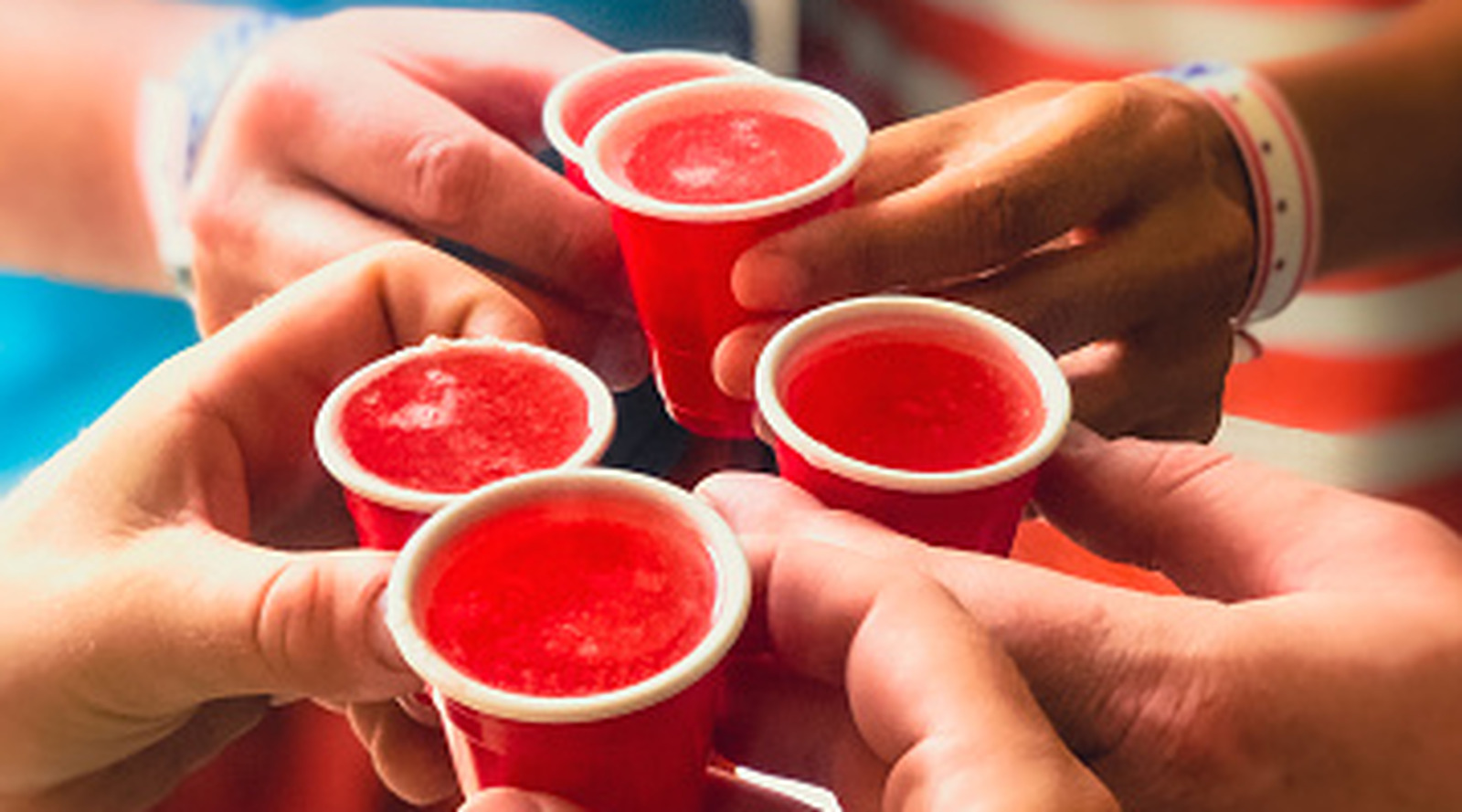
The delightful wobble and vibrant colors of jello evoke a sense of childhood nostalgia for many. It's a simple, fun dessert that has graced countless family tables and celebrations. However, for those embracing a vegan lifestyle, this beloved treat traditionally falls outside the realm of possibility. The reason? Jello's classic formulation relies on gelatin, an animal-derived protein that conflicts with ethical and dietary plant-based principles. This fundamental ingredient gap often leads to the question: can vegan jello truly capture the same magic, or are we limited to longing for a wobbly past?
The good news is that the culinary landscape has evolved dramatically. Thanks to innovation and a growing demand for cruelty-free options, a diverse array of plant-based alternatives has emerged, ready to recreate that familiar jiggly texture and delightful flavor. These ingenious substitutes not only cater to strict dietary preferences but also unlock a world of creative possibilities, often boasting additional nutritional benefits. Prepare to dive into the world of delicious and ethical vegan jello, where plant power reigns supreme!
The Gelatin Conundrum: Why Traditional Jello Isn't Vegan
To understand why traditional jello is off-limits for vegans, we need to look no further than its primary gelling agent: gelatin. Gelatin is a protein derived from collagen, which is found abundantly in the connective tissues, bones, and skin of animals, typically pigs and cattle. The manufacturing process involves boiling these animal parts, extracting the collagen, and then processing it into the familiar granular or sheet form. This animal origin inherently makes it unsuitable for anyone following a vegan diet, which strictly excludes all animal products and by-products.
For vegans, the choice to avoid gelatin extends beyond mere dietary preference; it's a reflection of a deeper commitment to animal welfare and ethical consumption. The thought of consuming a product derived from animal collagen can be unsettling, making the quest for authentic-tasting alternatives a high priority. Thankfully, the food science community and home cooks alike have risen to the challenge, transforming humble plants into powerful gelling agents that replicate, and sometimes even surpass, the qualities of traditional gelatin. This commitment to finding ethical alternatives has not only broadened our dessert horizons but also sparked a wave of creativity in the kitchen.
Unveiling the Stars of Vegan Jello: Plant-Based Gelling Agents
The secret to perfect vegan jello lies in understanding and utilizing plant-based gelling agents. These incredible ingredients, often sourced from sea vegetables or fruits, possess unique properties that allow them to create everything from firm, sliceable gels to delicate, spoonable textures. Choosing the right one depends on your desired consistency and application. Here are the primary contenders:
Agar-Agar: The Seaweed Superstar
Derived from red seaweed, agar-agar is arguably the most popular and versatile gelatin substitute for crafting vegan jello. It creates a firm, often brittle gel that sets at room temperature (around 32-40°C or 90-104°F) and melts at a much higher temperature than gelatin, making it ideal for desserts that need to hold their shape, even outside the fridge for a short period. It also produces a clearer, more crystalline gel than gelatin, with a neutral flavor profile that won't interfere with your chosen fruit juices or flavorings.
- How to Use: Agar-agar typically comes in flakes, powder, or bars. The powder is the most potent and easiest to work with. It must be boiled for 1-2 minutes in liquid to fully dissolve and activate its gelling properties.
- Tips for Success: Start with small amounts and adjust. Too much agar-agar can result in a rubbery or overly firm texture. One teaspoon of agar-agar powder can set about 1 cup of liquid to a firm jello. Always dissolve it thoroughly in cold liquid before bringing it to a boil to prevent lumps.
- Best For: Molded desserts, layered jello, vegan cheesecakes, and anything requiring a stable, firm gel.
Carrageenan: The Smooth Operator
Also extracted from various red seaweeds, carrageenan is a complex carbohydrate widely used in the food industry as a thickener, stabilizer, and emulsifier. It provides a smooth, often creamy, gel-like texture, varying in firmness depending on the type used (e.g., kappa, iota, lambda). While less common for home cooks making simple jello due to its industrial applications, it's a key ingredient in many commercial vegan dairy alternatives and prepared desserts.
- How to Use: Specific types of carrageenan (like kappa or iota) are needed for gelling. It usually requires heating and then cooling to set.
- Considerations: Some types of carrageenan have been subject to health discussions, leading some home cooks to prefer agar-agar or pectin for their perceived simplicity and natural origins.
- Best For: Achieving smooth, rich textures in puddings, custards, and some commercial vegan jellos.
Pectin: The Fruit's Natural Helper
Pectin is a naturally occurring fiber found in the cell walls of many fruits, particularly apples, citrus peels, and berries. It's the reason jams and jellies set! Unlike agar-agar, pectin typically requires the presence of sugar and acid (found naturally in fruits) to gel properly. The resulting texture is usually softer and more spreadable, making it ideal for its traditional role in preserves rather than firm, wobbly jello molds.
- How to Use: Available as a powder, pectin is usually dissolved in liquid before heating with fruit juice and sugar.
- Tips for Success: Use high-pectin fruits or add commercial pectin when making fruit-based jellies. Ensure the correct ratio of sugar and acid for optimal gelling.
- Best For: Fruit jellies, fruit leathers, and softer, spoonable fruit desserts.
Kudzu (Kuzu) Starch: The Delicate Thickener
Kudzu, or kuzu, is a starch derived from the root of the kudzu plant, native to East Asia. It's traditionally used in Japanese cuisine as a thickening agent for soups, sauces, and desserts. When cooled, kudzu can create a delicate, slightly opaque, jelly-like texture that is often described as silky or subtly chewy. It doesn't yield the firm, bouncy gel of agar-agar but offers a unique mouthfeel.
- How to Use: Dissolve kudzu powder in a small amount of cold liquid first to form a slurry, then gradually whisk it into a hot liquid and cook until thickened and clear. It will gel further upon cooling.
- Best For: Delicate, slightly viscous desserts, traditional Asian sweets, or as a lighter thickener for fruit sauces that set slightly.
Arrowroot & Cornstarch: The Pudding Pundits
While arrowroot and cornstarch are excellent thickening agents that create wonderful custards, puddings, and pie fillings, they do not produce a firm, sliceable gel like agar-agar or gelatin. When heated and cooled, they thicken liquids into a viscous, opaque consistency. They are fantastic for softer, spoonable desserts but won't give you that classic "jiggly" jello experience.
- How to Use: Create a slurry with cold liquid, then whisk into hot liquid until thickened.
- Best For: Puddings, fruit sauces, gravies, and pie fillings. Not for firm jello.
Crafting Your Own Vegan Jello: Tips for Success
Making your own vegan jello is a rewarding experience that allows for complete control over flavors, sweetness, and ingredients. Here's a practical guide to help you achieve jello perfection at home:
- Choose Your Gelling Agent: For classic, firm, and sliceable jello, agar-agar powder is your best bet. If you prefer a softer, fruit-based jelly, pectin might be suitable.
- Select Your Liquid Base: This is where the flavor comes in! Use 100% fruit juice (apple, grape, cherry, orange, pineapple are excellent choices), plant-based milks for creamy versions, or even flavored teas or infusions.
- Sweeten to Taste (Optional): If your fruit juice is sweet enough, you might not need extra sugar. Otherwise, consider natural sweeteners like maple syrup, agave nectar, or a touch of cane sugar.
- The Basic Ratio for Agar-Agar: A good starting point is 1 teaspoon of agar-agar powder per 1 cup (240ml) of liquid for a firm set. You can slightly decrease this for a softer jiggle.
- Dissolve Properly: Always whisk agar-agar powder into cold liquid first to prevent clumping. Then, bring the mixture to a rolling boil for 1-2 minutes, stirring constantly, to fully activate the agar-agar. If it doesn't boil long enough, it won't set.
- Flavor Boosts: Add a splash of fresh lemon juice (which also aids pectin's gelling, if using) or a few drops of natural food-grade extracts (vanilla, almond, mint) for extra depth.
- Incorporate Fruits: For suspended fruit jello, allow the mixture to cool slightly (but not set) before gently stirring in fresh or canned fruit pieces. Adding fruit too early can sometimes interfere with gelling or cause the fruit to sink.
- Setting Time: Pour your mixture into molds, glasses, or a shallow dish and refrigerate for at least 2-4 hours, or until completely firm. Agar-agar sets relatively quickly, often within an hour at room temperature, but chilling ensures full firmness.
- Troubleshooting:
- Too Soft? Reheat the mixture gently, dissolve another tiny pinch of agar-agar (make a slurry first!), boil briefly, and then re-chill.
- Too Firm/Brittle? Note down the ratio for next time and reduce the agar-agar. You can try reheating with a bit more liquid, but it's harder to fix once set.
Beyond the Basics: Creative Vegan Jello Ideas & Benefits
Once you've mastered the fundamentals of making vegan jello, a world of creative possibilities opens up. Think beyond a single color and flavor:
- Layered Masterpieces: Create stunning multi-layered desserts by allowing each colored layer to set partially before pouring the next, slightly cooled layer on top.
- Fruit Suspended: Embed vibrant berries, sliced kiwi, or mandarin oranges for a visually appealing and texturally exciting treat.
- Jello Cubes: Make large slabs of vegan jello, cut them into cubes, and add them to sparkling water, lemonade, or even non-alcoholic cocktails for a fun, edible garnish.
- Creamy Vegan Panna Cotta: Combine agar-agar with plant-based milk (coconut, almond, oat) and a touch of sweetener for a luscious, dairy-free panna cotta.
- Vegan Jello Shots: For adult occasions, infuse your vegan jello with a spirit of choice for ethical and fun "shots" (ensure alcohol-to-liquid ratio is balanced for gelling).
Beyond the fun factor, choosing vegan jello offers several benefits. Firstly, it's inherently cruelty-free, aligning with ethical values. Secondly, when made with natural fruit juices, it can be a healthier dessert option, packed with vitamins and antioxidants, and often with less refined sugar than commercial alternatives. Some gelling agents, like agar-agar, even contribute dietary fiber. Finally, the ability to control ingredients makes homemade vegan jello ideal for those with specific allergies or sensitivities, allowing for custom creations free from common allergens found in some processed foods.
The growing availability of convenient, ready-to-use vegan jello powders from brands like "Simply Delish" further demonstrates the mainstream acceptance and popularity of these plant-based alternatives. These mixes often use agar-agar or other plant starches, making it incredibly easy to whip up a batch without having to source individual gelling agents.
From nostalgic cravings to adventurous dessert creations, vegan jello has firmly established its place in the plant-based culinary world. With incredible plant-based gelling agents like agar-agar, carrageenan, and pectin, you can recreate that beloved wobbly texture without compromising your ethical choices. Whether you opt for a vibrant, layered fruit delight or a simple, refreshing single-flavor dessert, the journey into making and enjoying vegan jello is an exciting and delicious one. So, grab your favorite fruit juice, choose your gelling agent, and prepare to jiggle with joy!
